







Search Results for: dripper model
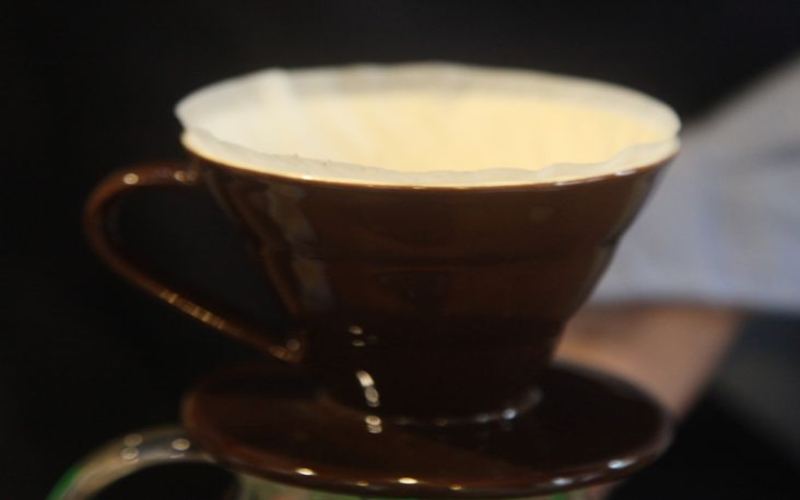
An Analysis of the Differences Between the Hario V60 Dripper 01 and 02 Models: A Comprehensive Comparison of Opening Size, Capacity, and Brewing Flavor
The Hario V60 dripper is almost ubiquitous in the specialty coffee world—whether in independent cafés or chain brands, you're bound to see it. But faced with the dazzling array of V60 models on the market, especially the two common sizes 01 and 02, many coffee enthusiasts aren't clear about what substantial differences actually exist between them. This article will start from the classic design principles of the dripper, systematically outline the three core structural advantages of the V60, then break down one by one the heat retention and price differences among the three materials—resin, ceramic, and glass—and focus on comparing 01 and 02 in terms of capacity, opening size, and suitable scenarios. It will also mention special models such as the brass version and championship collaboration editions, helping you make a more rational choice based on your own needs. [more…]
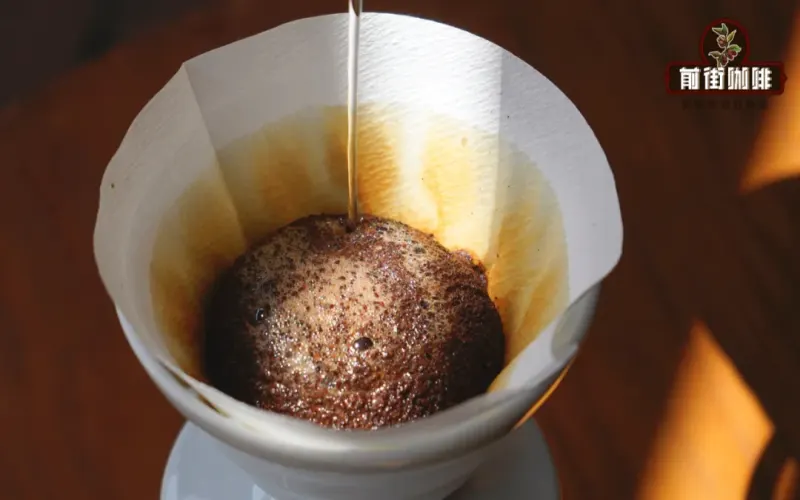
Analysis of the Differences Between V60 Dripper Models 01 and 02: Why Does Increasing Coffee Dose Lead to Weaker Coffee Flavor?
Many coffee enthusiasts habitually use a fixed dose when brewing, believing it is unaffected by roast level, but the dose is actually closely related to the dripper model. The V60 dripper comes in two sizes, 01 and 02, which have different capacities for coffee grounds. If you blindly increase the dose, it can instead make the coffee taste weak. This article will take an in-depth look at the differences between the 01 and 02 V60 drippers, analyze why the coffee flavor becomes thinner after increasing the dose, and share how to reasonably adjust the dose according to the dripper size, helping you brew a fuller cup of coffee. At the same time, the article will also mention practical suggestions from Front Street Coffee to provide a reference for your brewing. [more…]
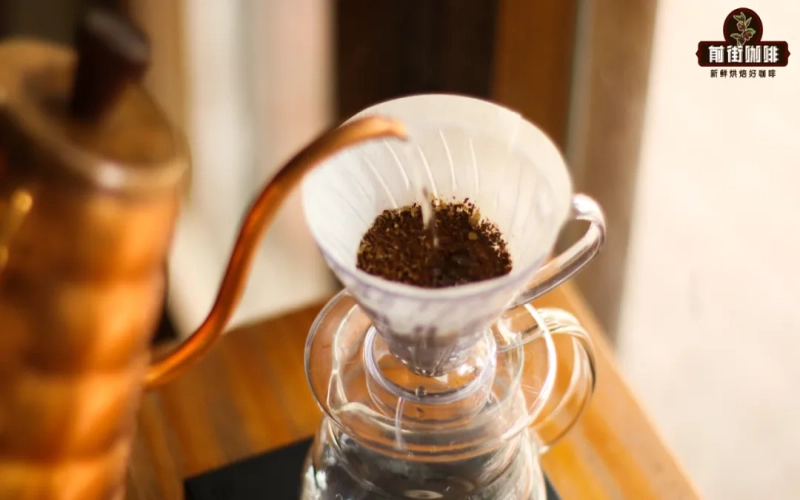
How Do Pour-Over Dripper Materials and Designs Affect Extraction? Key Buying Points for Classic Models Like V60 and Kono
Walking into a coffee equipment store or opening a shopping website, the dazzling array of drippers often leaves friends new to pour-over coffee spoiled for choice. Every dripper has a different shape—what differences do they actually have? In fact, as long as you understand which design elements on a dripper affect the extraction process, you can roughly judge its functional orientation. Today, Front Street Coffee will start with several key designs that affect extraction to help everyone clarify what to focus on when choosing a dripper, and will also discuss whether the two popular drippers, V60 and Kono, are actually good to use. Once you've mastered these, picking a dripper that suits you will no longer be a difficult task. [more…]
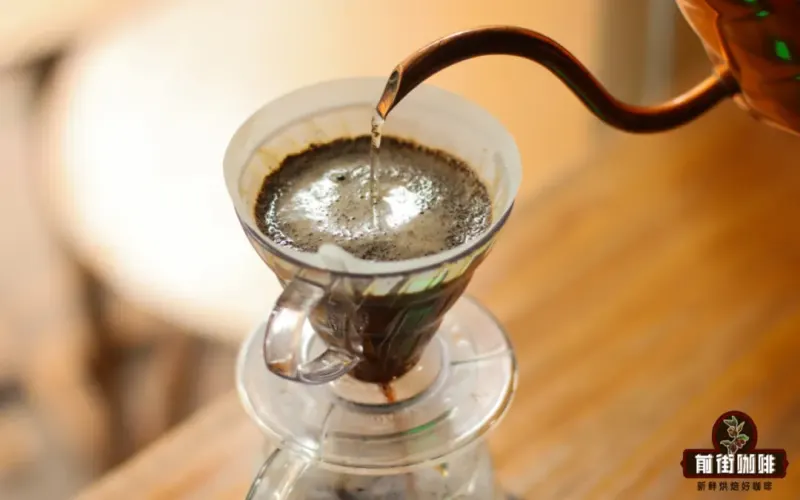
How Does Coffee Dose Affect Flavor in Pour-Over? Differences Between 01 and 02 Drippers and Brewing Techniques for Small Drippers with Large Doses
Many coffee enthusiasts have found during brewing that simply adding a little more coffee grounds causes a noticeable decline in the resulting flavor. The reason behind this often lies in the amount of grounds exceeding the reasonable capacity of the current dripper, while the brewing technique has not been adjusted accordingly. This article will focus on the suitable grounds amounts for the two common dripper models, 01 and 02, analyzing the specific effects of too much or too little coffee on extraction uniformity, flow rate, and the final flavor. At the same time, for scenarios where you only have a small dripper on hand but need to brew a large amount of coffee, it provides a complete solution including coarsening the grind size, slightly adjusting the water temperature, and pouring techniques, and offers practical reference suggestions based on Front Street Coffee's standard parameters. [more…]

In-Depth Analysis of the KONO Meimon Dripper: Master the Design Essence and Dark Roast Coffee Brewing Characteristics
In the world of coffee brewing, V60 has almost become synonymous with conical drippers, but Front Street Coffee often chooses another classic piece of equipment when producing dark-roasted coffee—the KONO dripper. This brand, originating from Japan's Kono family in 1925, showcases a rich and full-bodied flavor when extracting dark-roasted beans thanks to its unique rib design and siphon effect. However, domestic coffee enthusiasts have quite limited understanding of it. In this article, Front Street will systematically sort out the historical evolution of the KONO dripper, the differences between models such as Meimon and Konos, and why it is particularly suitable for the brewing logic of dark-roasted coffee, and will share the parameter schemes that Front Street has summarized in actual operation, to bring you a comprehensive understanding of this low-key yet highly capable dripper. [more…]

Is It Feasible to Use 30 Grams of Coffee for a Single Pour-Over? Adjustment Approach and Practical Tips for Large-Dose Extraction
During holidays and family gatherings, there's always someone hoping the coffee enthusiast will brew a fresh pot on the spot. But when the dose jumps from the usual 15 grams to 30 grams, the same technique tends to cause water to pool at the end of the drawdown, drag out the brew time, and leave the flavor low and muddy. Why does extraction change so much once the dose goes up? Front Street Coffee breaks down the challenges of large-dose pour-over one by one—from dripper model and blooming method to pouring rhythm—and offers adjustment plans for both the 02 and 01 drippers, helping you brew coffee close to your everyday standard even at gatherings with many people. [more…]
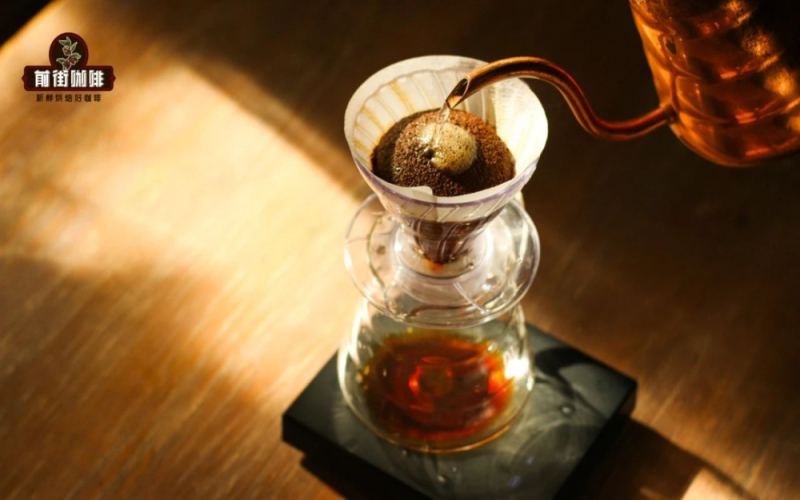
Analysis of Kenyan Asalia Pour-Over Parameters: V60 Dripper Coffee-to-Water Ratio and Key Operating Points
The joy of pour-over coffee lies in showcasing the unique character of beans from different origins by adjusting equipment and parameters. Using Front Street Coffee's Kenya Asaliya as an example, this article provides a detailed introduction to the V60 dripper's structural features, material and model selection, and offers specific brewing parameters and staged extraction techniques. It also analyzes the flavor performance of this AA TOP bean, helping coffee enthusiasts, based on an understanding of the relationship between dripper flow rate and extraction, master a practical method for consistently producing a bright, clean cup of Kenyan pour-over. [more…]
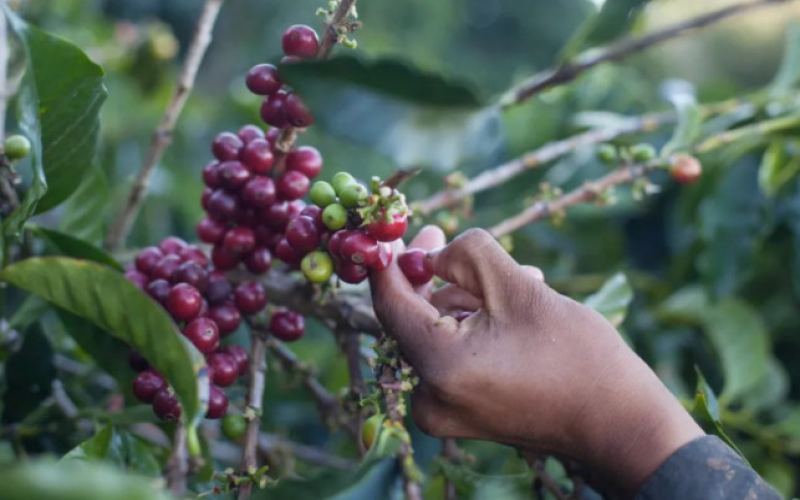
Ethiopian Yirgacheffe Coffee: A Full Breakdown of Flavor Characteristics, Cultivation Models, and Pour-Over Parameters
Yirgacheffe is one of Ethiopia's most representative specialty coffee regions, renowned worldwide for its bright citrus-and-lemon acidity and jasmine aroma. This article begins with the origins of Ethiopia's coffee culture, sorting through the country's unique garden-farming model and cooperative processing system, with a focus on the historical trajectory of Yirgacheffe's independent development from a sub-region of Sidama, as well as the exact definition and regional scope of "Yirgacheffe flavor." It also includes hand-brew parameter suggestions for Front Street Coffee's Yirgacheffe coffee beans, covering dripper selection, water temperature, coffee-to-water ratio, and a three-stage pouring technique, offering coffee enthusiasts a complete reference from origin knowledge to practical brewing. [more…]
Pour-Over Filter Paper Selection Guide: How Shape, Size, Bleaching Process, and Paper Material Affect Coffee Flavor
In discussions about pour-over coffee equipment, the dripper often takes center stage, while the filter paper—which performs the critical filtration task—tends to be overlooked. In fact, although filter paper accounts for only a small portion of the cost, it directly affects how coffee flavors are presented—common issues such as "fit" and "papery taste" are inseparable from it. When faced with the three mainstream shapes on the market—cone, fan, and cake—along with options like 01/02 sizes, natural and bleached, and different brands' paper textures, how should one make the right choice? Drawing on Front Street Coffee's practical experience, this article systematically sorts through filter paper styles and shapes, model sizes, bleaching processes, and paper texture differences, helping coffee enthusiasts find the one that better matches their own dripper and brewing preferences. [more…]
A Guide to Buying the Six Essential Pour-Over Coffee Tools: How to Choose Brands for Grinders, Gooseneck Kettles, Drippers, and More, Plus Beginner Pitfall Advice
Just getting into pour-over coffee, many people feel overwhelmed by the bewildering array of equipment on the market and don't know where to start. This article focuses on the six essential pieces of basic gear for pour-over—the grinder, the pour-over kettle, the dripper, the filter paper, the thermometer and the digital scale—going through each one's categories, pros and cons and the people they suit, and offering specific buying guidance. From the trade-offs between hand grinders and electric grinders, to the differences between cheat kettles, gooseneck kettles and swan-neck kettles, and on to the extraction characteristics of conical, trapezoidal and wave drippers, it helps you make the right choice based on your own budget and needs, so you don't waste money. [more…]
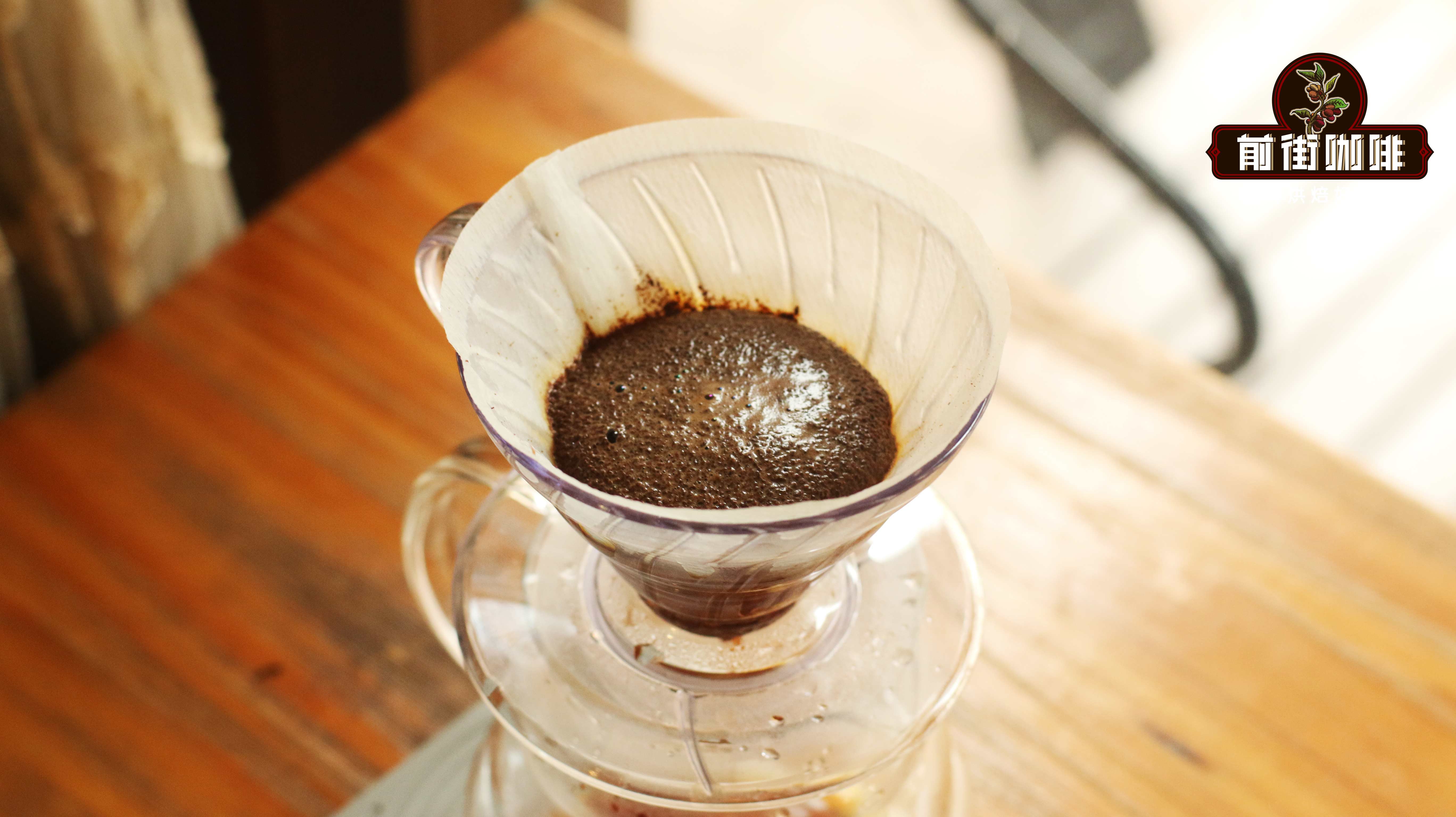
A Beginner's Guide to Home Pour-Over Coffee: Equipment Selection, Key Techniques, and Front Street Coffee's Everyday Bean Recommendations
To brew a clean, well-layered pour-over coffee at home, you don't actually need complicated equipment, but every step affects the final taste. From grinders, digital scales, and drippers to filter papers, gooseneck kettles, and thermometers, this article walks through the pour-over gear suitable for home use in the order of the brewing process, and gives specific brand models and reference prices. At the same time, for everyday drinking needs, it recommends a number of single-origin beans with distinct styles from the Front Street Coffee daily drinking series, covering different flavor directions such as rich and full-bodied, floral, nutty, and chocolatey, making it easy for coffee lovers to choose according to personal preference. [more…]
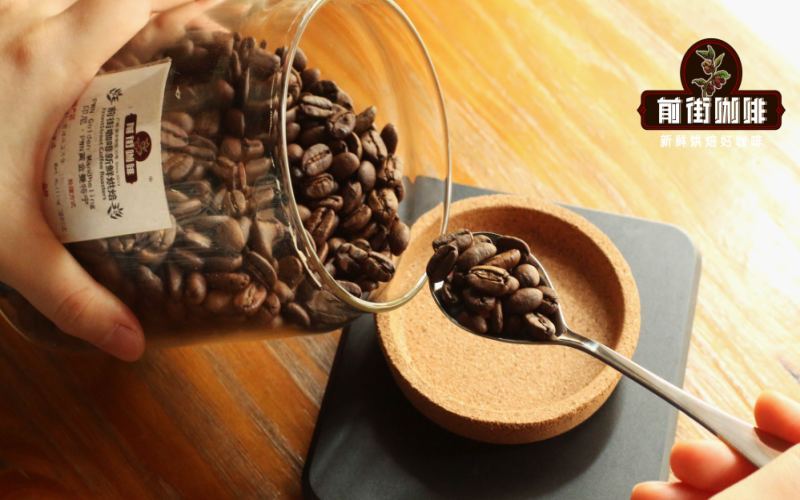
How to Hand-Brew 15g, 20g, and 30g Coffee Grounds? A Guide to Coffee-to-Water Ratios and Filter-Cup Adjustments for Four Servings
The choice of coffee dose for pour-over seems simple, but in reality it involves multiple coordination factors: the dripper model, the number of drinkers, and the pouring rhythm. Front Street Coffee's daily demonstration uses 15g of coffee as the baseline, but in actual brewing, doses that are multiples of 6 such as 12g, 18g, and 24g, doses that are multiples of 5 such as 15g, 20g, and 25g, and even 16g each have their own adherents. Behind different doses lie different reasoning logics—some start from the volume of brewed coffee, some compromise based on the dripper's recommended value, and others aim for easier calculations during pulse pouring. This article will focus on three typical doses—15g, 20g, and 30g—explaining the brewing approaches suited to each, and providing adjustment suggestions for dose, water amount, and dripper selection in a four-person pour-over scenario, helping you achieve consistent results even when sharing with multiple people. [more…]

Beginner's Guide to Making Coffee at Home: Choosing Your First Pour-Over Setup and Practical Tips to Avoid Pitfalls
Specialty coffee is becoming more and more popular, and many friends who are just getting into coffee have begun to toy with the idea of brewing at home. Yet faced with a dazzling array of equipment, how to avoid wasting money and choose gear that truly suits you has become a problem for many beginners. Starting from the importance of coffee bean freshness and fresh grinding, this article goes through the key points for choosing a grinder, dripper, gooseneck kettle, filter paper, server, and digital scale one by one, and includes practical advice from Front Street. Whether you are just starting out or preparing to upgrade your equipment, this guide can help you clarify your thinking, avoid common pitfalls, and build a stable, easy-to-use pour-over setup on a reasonable budget. [more…]
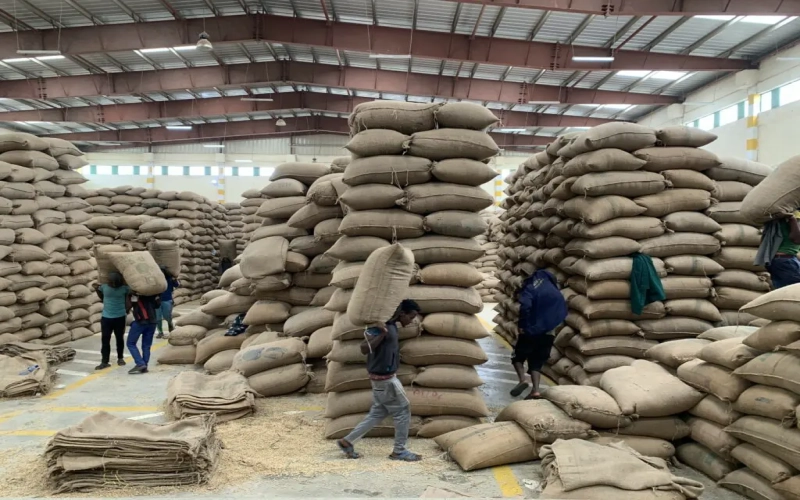
Yirgacheffe Kochere Region Flavor Analysis and Pour-Over Parameters: Front Street Coffee Washed G1 Brewing Tutorial
Yirgacheffe is a renowned coffee region in southern Ethiopia, and Kochere is regarded as one of its micro-regions with the most outstanding flavor expression. Through cupping, Front Street Coffee has found that coffee beans from the Kochere region possess lively citrus acidity, a silky sweet mouthfeel, and rich floral and fruity aromas, with overall flavor intensity noticeably higher than that of ordinary lots. This article will systematically outline Kochere's geographical location, the logic of its regional division, and its smallholder cooperative production model, and, combined with the specific brewing case of Front Street washed Yirgacheffe Gedingding, share complete pour-over parameters including dripper selection, water temperature, coffee-to-water ratio, grind size, and pouring rhythm, to help coffee enthusiasts reproduce at home a cup of Yirgacheffe that is clean and bright with a tea-like sweet finish. [more…]
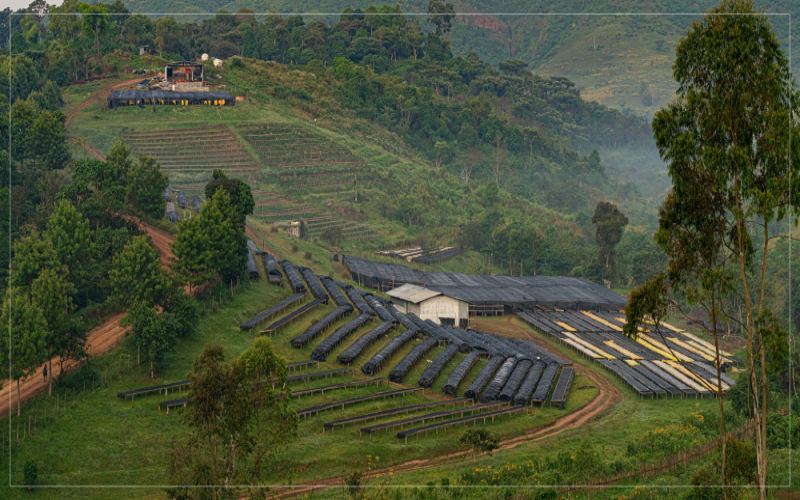
Ethiopia Bench Maji Region Full Guide: The Birthplace of Geisha, Forest Planting Model, and the Grading System of Gesha Village
In Ethiopia's specialty coffee landscape, Yirgacheffe, Sidamo, and Guji Hambela often take center stage in conversations, but along the country's western border lies a coffee region covered in pristine forest and renowned for its high-quality beans—Bench Maji. It is not only the birthplace of the Geisha variety but also home to the Gesha Village Coffee Estate. This article will cover the geography and climate, cultivation patterns, and the history of Geisha's origins, then move on to the grading system at Gesha Village, followed by Front Street Coffee's detailed introduction to Gold Label and Red Label Geisha along with pour-over recommendations, giving coffee lovers a complete picture of this understated yet highly capable region. [more…]
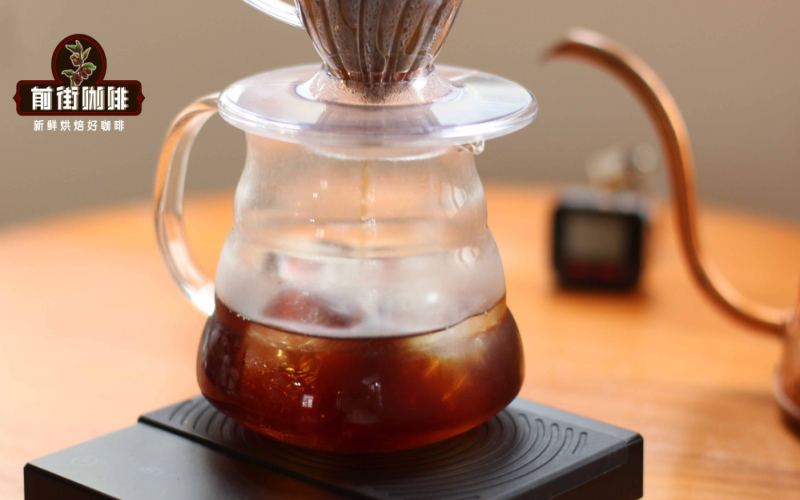
A Beginner's Guide to Pour-Over Coffee Gear: Complete Setup Advice from Grinder and Kettle to Dripper
To brew a delicious pour-over coffee at home or in the office, the choice of equipment often determines success or failure before technique even comes into play. Faced with the bewildering array of drippers, gooseneck kettles, and grinders on the market, beginners can easily fall into choice paralysis. This article starts with selecting coffee beans, then works through grinder burr types, grind size calibration, gooseneck kettle capacity and temperature control, dripper and filter paper pairing, scales, and serving carafes, and offers Front Street Coffee's specific product recommendations for different budgets and taste preferences, helping those new to pour-over assemble a smooth-working setup at a reasonable cost. [more…]
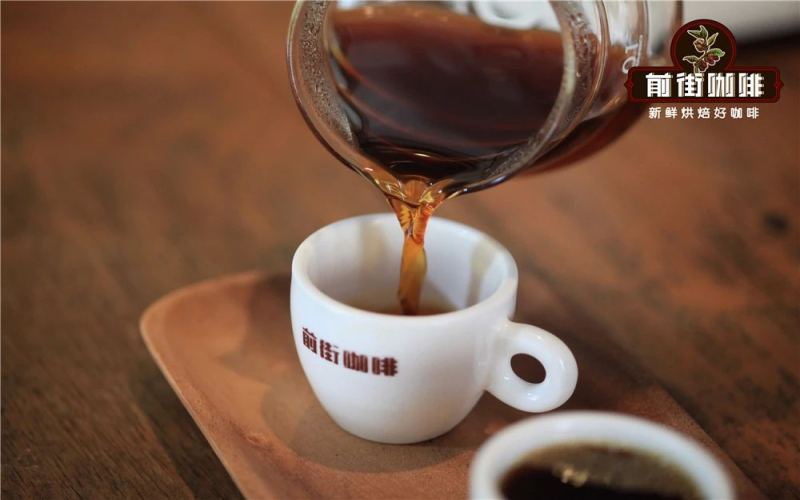
Ethiopia Sidamo Coffee Pour-Over Guide: Hunkute 8.0 Brewing Parameters and Flavor Analysis
Ethiopia, as the birthplace of Arabica coffee, has captured the hearts of many coffee lovers with its elegant floral aromas and citrus fruit notes, with the Sidamo and Yirgacheffe regions standing out in particular. From the perspective of Front Street Coffee, this article systematically reviews Ethiopia's coffee cultivation models and variety characteristics, delves into the historical origins behind the names Sidamo and Sidama, and focuses on how natural processing imparts coffee with fuller sweetness and fermented aromas. It then takes Front Street Coffee's Huakui 8.0 from the Guji Hambela region as an example, sharing a complete, replicable pour-over recipe—from grind size, water temperature control, and dripper selection to a three-pour technique—to help you consistently brew a rich layering of berry and cream flavors at home. [more…]
A Detailed Guide to Kenyan Coffee Bean Grading: What Exactly Is the Difference Between AA TOP and AA?
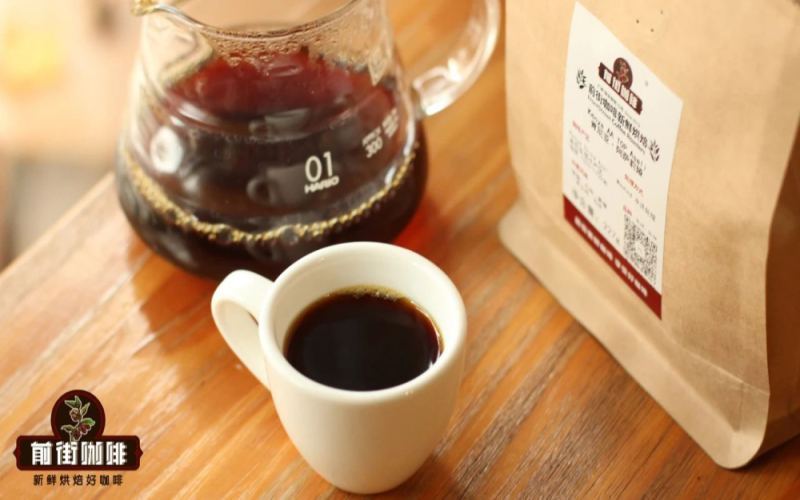
Kenyan coffee is renowned worldwide for its bright, intense fruit acidity and full, robust body, while its grading system—AA, AB, PB, and so on—often leaves enthusiasts confused. What exactly is the difference between AA and AA TOP? Does the grading standard look only at bean size, or does it also take cup profile into account? This article sorts through Kenya's coffee history, growing conditions, variety selection, regional characteristics, grading system, and auction trading model one by one, and combines tasting examples from several Kenyan beans at Front Street Coffee to help readers clarify the real difference between AA and AA TOP. [more…]
Pour-over coffee brewing method | How many coffee beans are needed to brew a pour-over? What are the difficulties of brewing coffee with a small dose? How to make pour-over coffee using only 5 grams of coffee beans
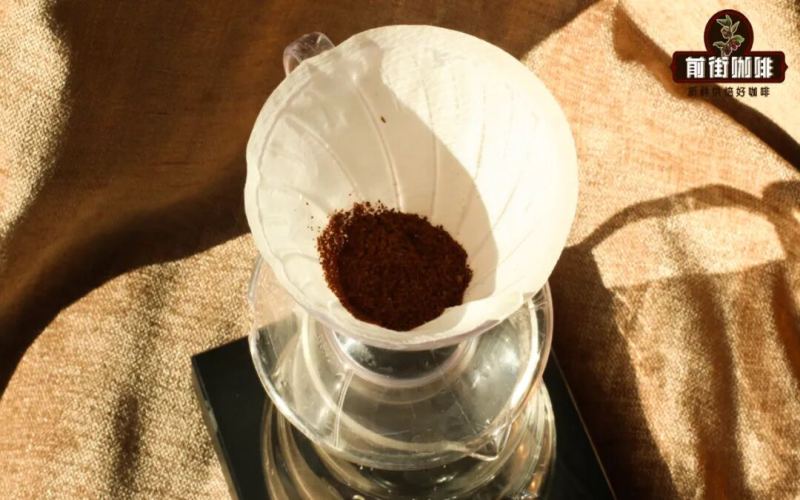
It might be used for making specialty coffee drinks, or perhaps you just want a light taste of coffee to get a hint of the flavor~ Occasionally, some friends have the idea of "brewing just a small cup of coffee with only a small amount of coffee beans." But if you've actually tried it, Front Street believes it shouldn't be hard to notice: compared to brewing with a large dose of coffee grounds, brewing a good cup with a small dose [more…]
Kenya Coffee Market Trends and Price Analysis: A Complete Overview of Varieties, Regions, Processing Methods, and Flavors
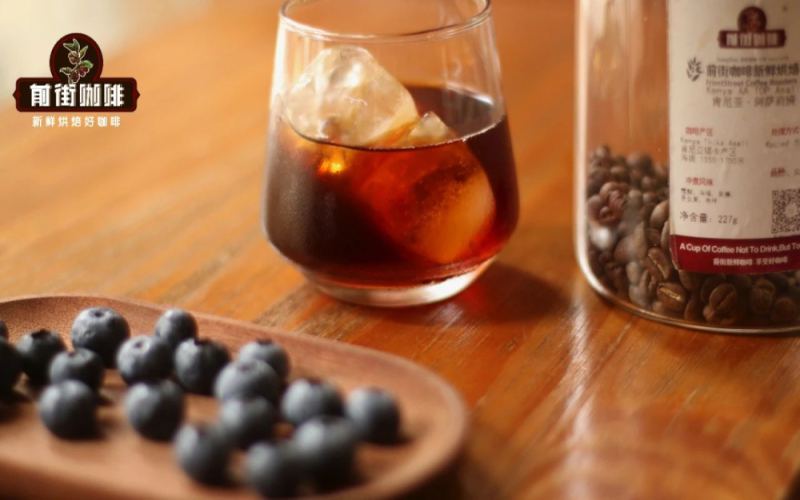
Kenyan coffee has always been a star in the specialty coffee world, thanks to its multi-layered taste and bright, juice-like acidity. This article examines the current market situation and prices of Kenyan coffee, systematically sorting out its varietal origins—the breeding history of SL28 and SL34, the positioning of Ruiru 11, and the coexistence of large estates and cooperatives in its cultivation model. It also explains in detail how the unique K72 washed processing method shapes intense acidity and delicate texture, introduces the two trading models of the Nairobi auction and direct trade, and reviews one by one the flavor differences of major producing regions such as Kiambu, Thika, and Nyeri. Finally, it includes product information and brewing suggestions for two Kenyan coffees from Front Street. [more…]